
7 Off-the-Beaten-Path Destinations Dutch Travellers Are Discovering
Yannick Koelewijn ·
7 More Off-the-Beaten-Path Destinations Dutch Travellers Are Discovering
Dutch travellers are increasingly choosing regions that trade crowds for character: small-scale accommodations, quiet landscapes, and places that still feel like a discovery. This is a sequel to our original 7 Bestemmingen in Europa guide, with seven more European regions that are still under the radar but have everything a Dutch traveller looks for in an authentic, small-scale holiday.
Last updated: August 2026
What makes a destination "off the beaten path" for Dutch travellers?
It isn't just remoteness. Based on Dutch traveller behaviour, three things matter most: a genuine local character rather than a tourist-built one, small-scale and often sustainably-run accommodations, and a landscape or activity (hiking, cycling, birdwatching, wine) worth building a whole trip around. The seven regions below all score highly on these three.
1. Ardèche, France
Why this place: A limestone gorge carved by the Ardèche river, best known for the Pont d'Arc natural arch, with canoe and kayak routes that take two days to paddle end to end. Lavender fields, chestnut forests and hilltop villages fill the rest of the region.
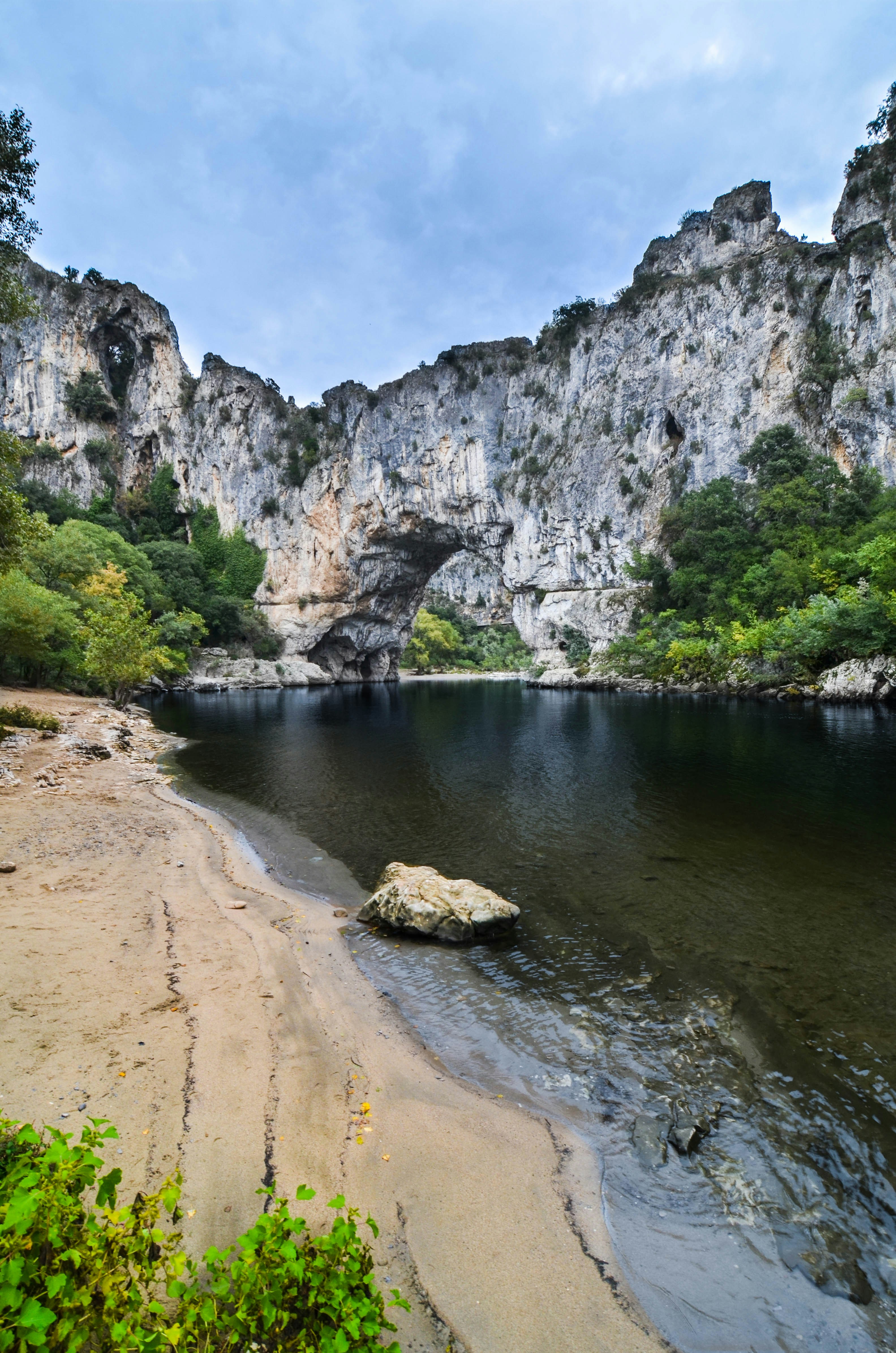
What makes it special:
- Multi-day canoe descents of the Gorges de l'Ardèche, with wild camping spots along the river
- Prehistoric caves, including the Grotte Chauvet replica of some of the oldest cave art in the world
- A slower, greener alternative to the crowded Provence coast, just a few hours further north
Tips from The Dutch Guests:
- Paddle the gorge in September, once the summer crowds and the school-holiday traffic have cleared
- Base yourself in a village like Vogüé or Balazuc, both built into the cliffside
- Bring good walking shoes. The best viewpoints over the gorge are on foot, not from the road
2. Istria's hill towns, Croatia
Why this place: Everyone knows Croatia's coast. Far fewer visit the hill towns of inland Istria, a landscape of vineyards, olive groves and medieval towns that feels closer to Tuscany than the Adriatic.
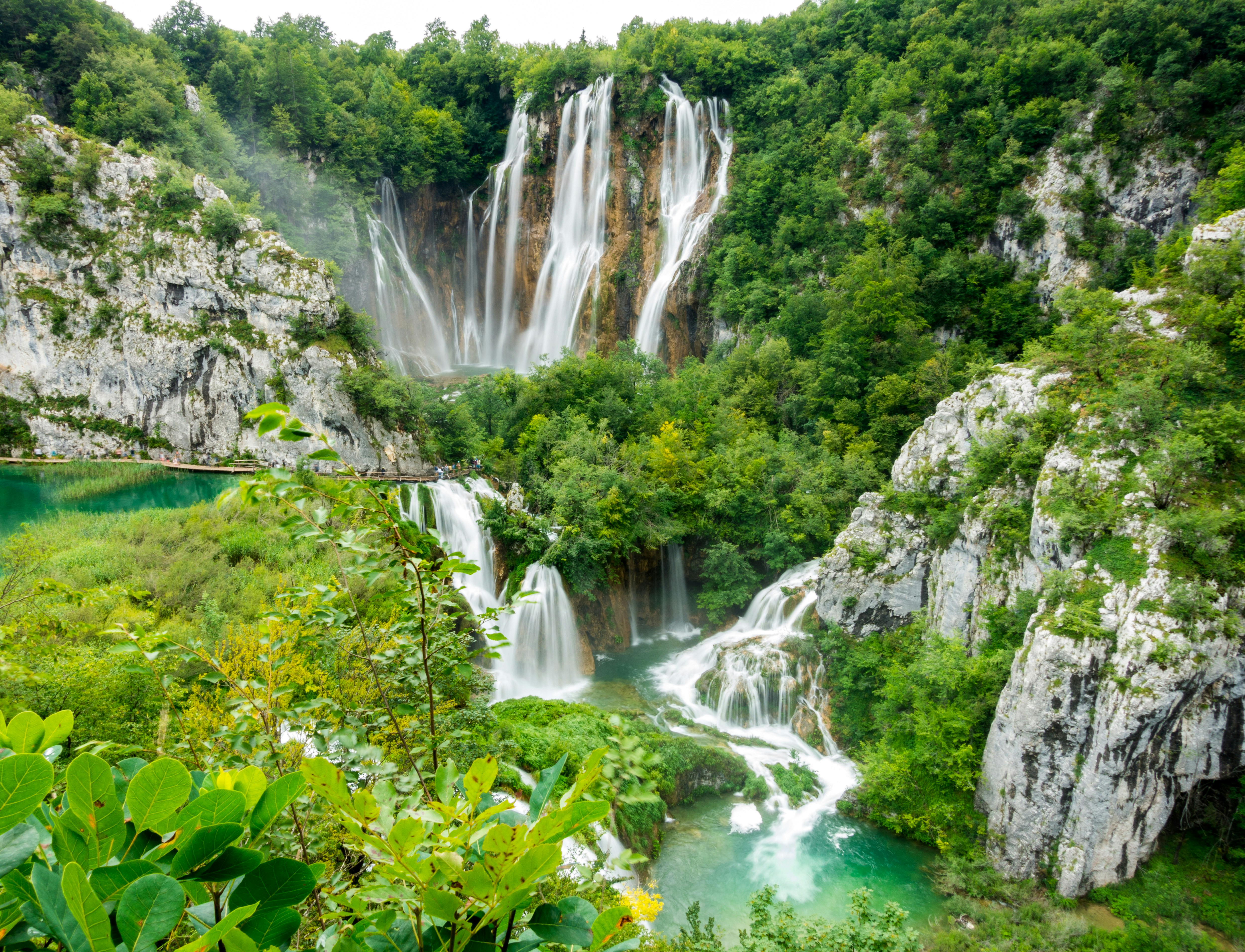
What makes it special:
- Motovun, a walled hilltop town built above truffle-rich oak forests
- A dense network of quiet cycling routes through vineyards and olive groves
- A genuine wine and truffle culture, without the prices or crowds of Italy
Tips from The Dutch Guests:
- Book a truffle-hunting tour out of Motovun or Livade. Autumn (white truffle season) is the highlight
- Rent a car; inland Istria has almost no public transport between villages
- Combine two nights inland with a few days on the coast for the best of both
3. Transylvania's Saxon villages, Romania
Why this place: Seven villages (Biertan, Câlnic, Dârjiu, Prejmer, Saschiz, Valea Viilor and Viscri) were built by Transylvanian Saxon settlers from the late Middle Ages and are collectively a UNESCO World Heritage site, each centred on a fortified church that once doubled as the village's last line of defence.
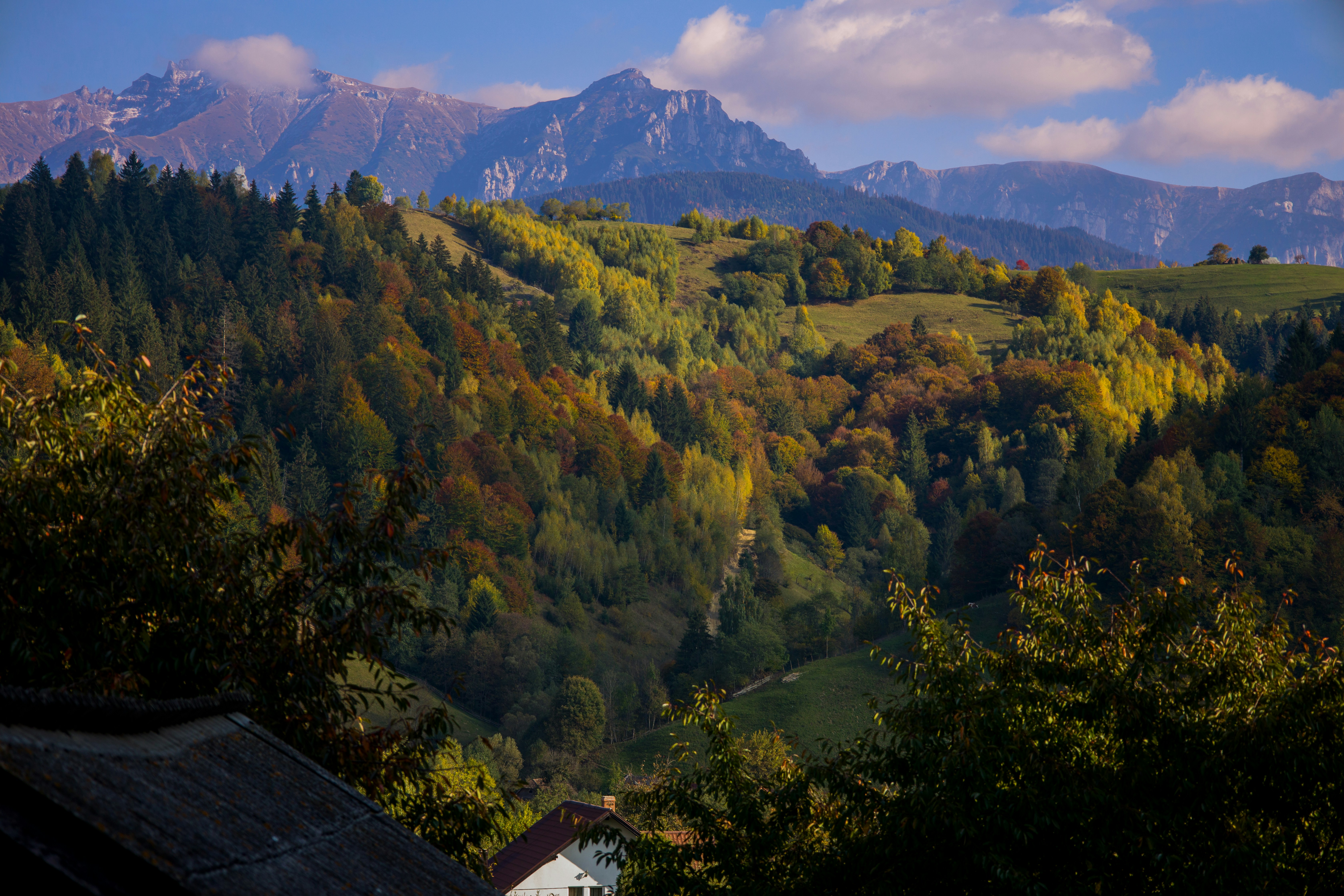
What makes it special:
- Fortified churches unlike anything else in Europe, still standing largely as built
- Rolling countryside with almost no modern development between villages
- A living rural culture: this is still farmed, working land, not a preserved museum piece
Tips from The Dutch Guests:
- Viscri is the most visited (Prince Charles owns a guesthouse there); Biertan and Saschiz are quieter alternatives
- Stay in a family-run guesthouse rather than a hotel; it's how this region is actually experienced
- Hire a local guide for at least one day. The history doesn't explain itself from the road
4. Ogliastra, Sardinia, Italy
Why this place: Sardinia's east coast, in the Gulf of Orosei, holds some of the Mediterranean's most dramatic and least developed coastline, accessible mainly by boat, on foot, or not at all.
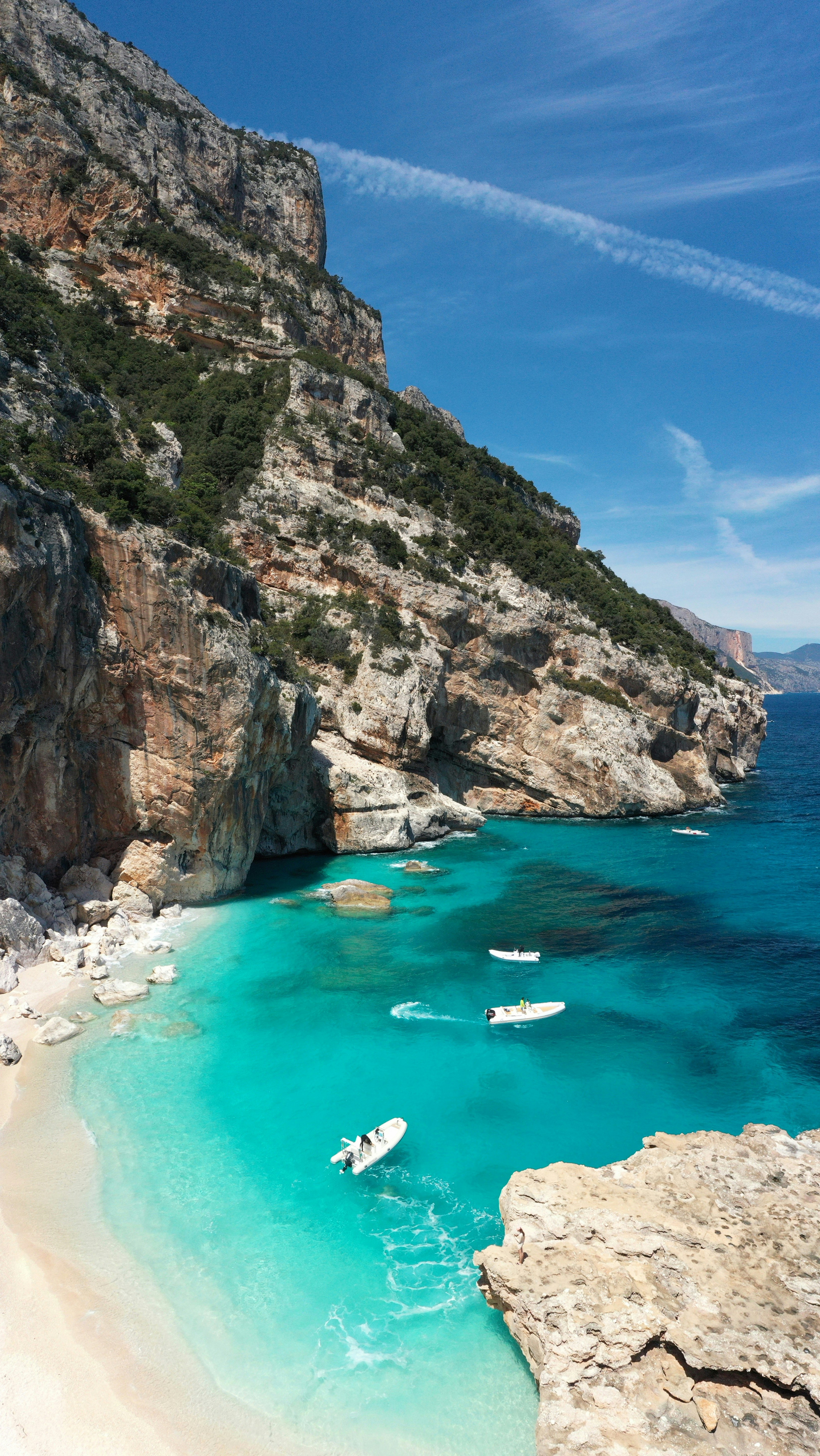
What makes it special:
- Cala Goloritzé, a beach beneath a limestone spire, reachable only by boat or a demanding hike
- The Bue Marino caves, a 5-kilometre coastal cave system with underground lakes, a scenic 40-minute walk from Cala Fuili or a short boat ride from Cala Gonone
- A rugged interior of shepherd villages, largely untouched by the coastal tourism further north
Tips from The Dutch Guests:
- Book boat access to Cala Goloritzé in advance in July and August; outside those months, the beach is far quieter
- The Bue Marino caves are only open seasonally, so check ahead before planning a visit
- Stay in Baunei or Cala Gonone as a base for both the coast and the interior
5. São Miguel, Azores, Portugal
Why this place: A volcanic island in the middle of the Atlantic, closer to a mid-Atlantic ridge than a Mediterranean beach holiday, with green crater lakes, thermal pools, and a climate mild enough to visit most of the year.
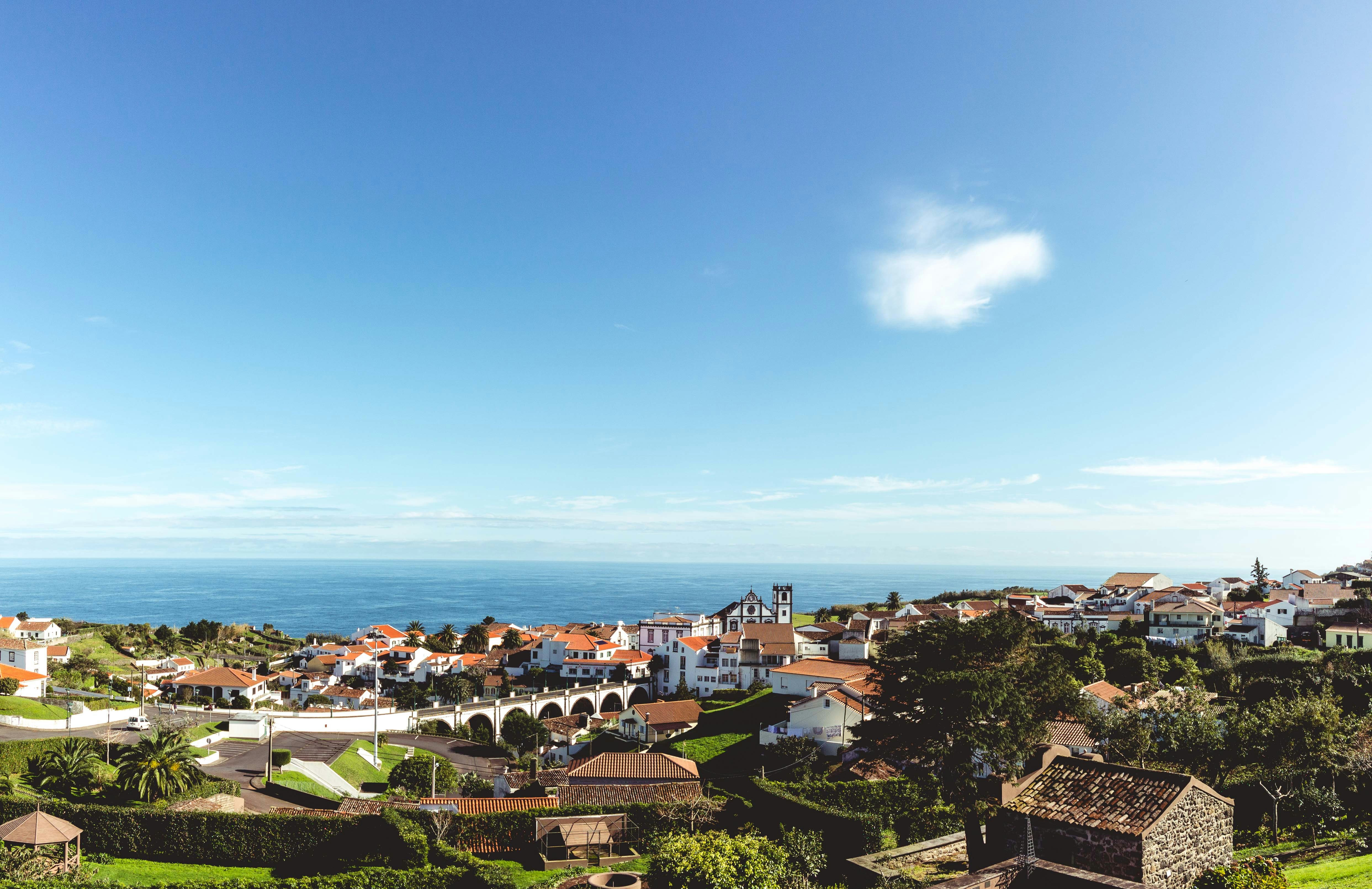
What makes it special:
- Sete Cidades, twin crater lakes (one blue, one green) inside a single volcanic caldera
- Natural thermal pools at Furnas, heated by the same volcanic activity that shapes the island
- Whale and dolphin watching that's genuinely wild, not staged for tourists
Tips from The Dutch Guests:
- Rent a car. The island's best views are along roads with no public transport
- Pack for four seasons in one day; Atlantic weather changes fast
- Visit Furnas' thermal pools at dawn, before day-trip buses arrive from Ponta Delgada
6. The Pelion Peninsula, Greece
Why this place: A mountain that drops straight into the Aegean, covered in chestnut and beech forest, with traditional stone villages that have largely avoided the whitewashed-island version of Greece.
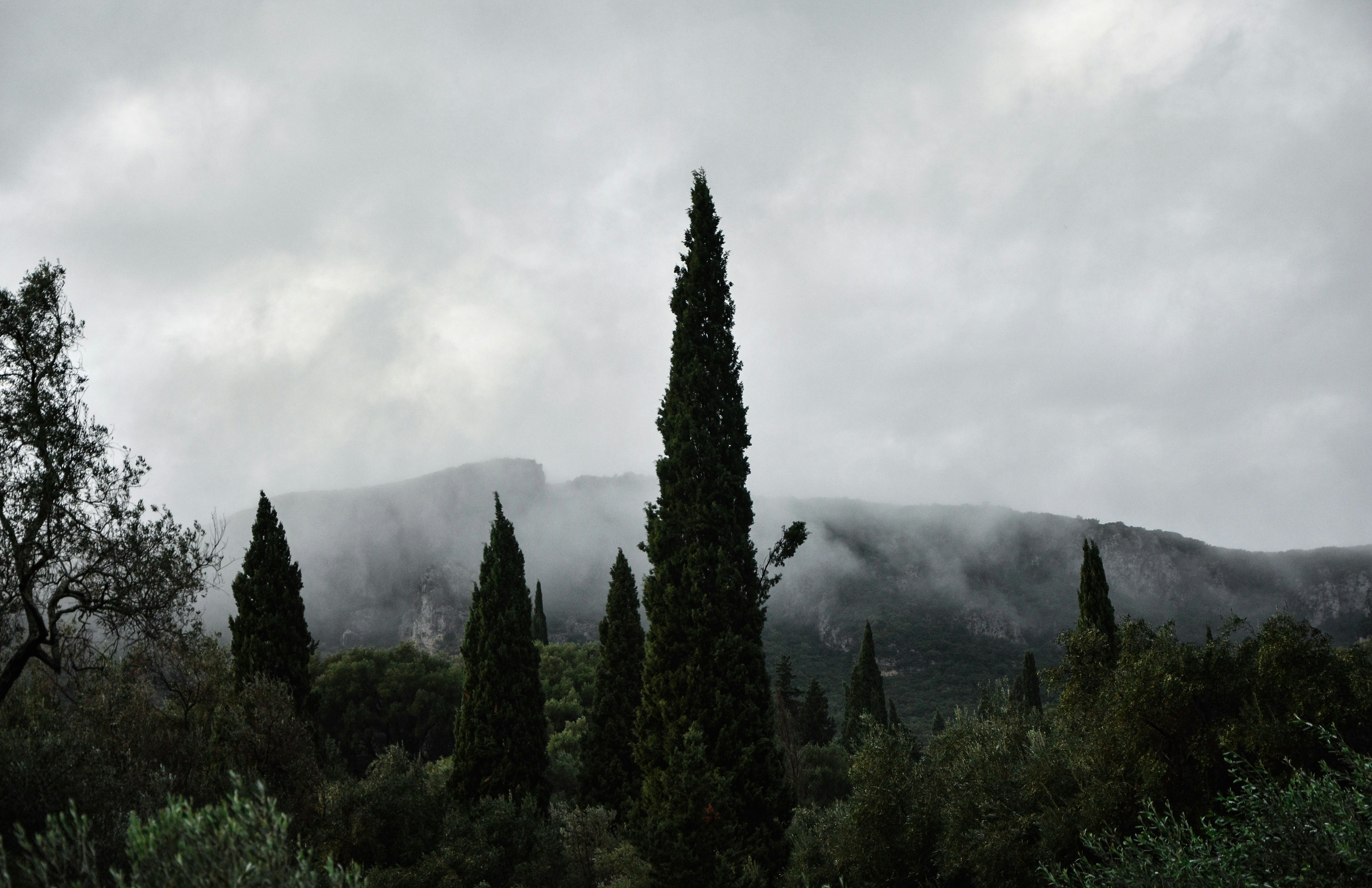
What makes it special:
- Villages like Makrinitsa and Vizitsa, built from slate and stone rather than the Cycladic whitewash most people picture
- Forest trails that lead directly to quiet pebble beaches on the Aegean side
- A cooler, greener climate than the Greek islands, thanks to the mountain's elevation
Tips from The Dutch Guests:
- Visit in early autumn, when the chestnut forests turn and the summer heat has broken
- Split a stay between a mountain village and a beach village. They're a short drive apart but feel like different countries
- Try Pelion's local speciality, spetzofai (sausage and pepper stew), a mountain dish, not a beach one
7. Extremadura, Spain
Why this place: A quiet inland region on the Portuguese border, best known among birders for Monfragüe National Park, and among historians for the walled towns of Cáceres and Trujillo.
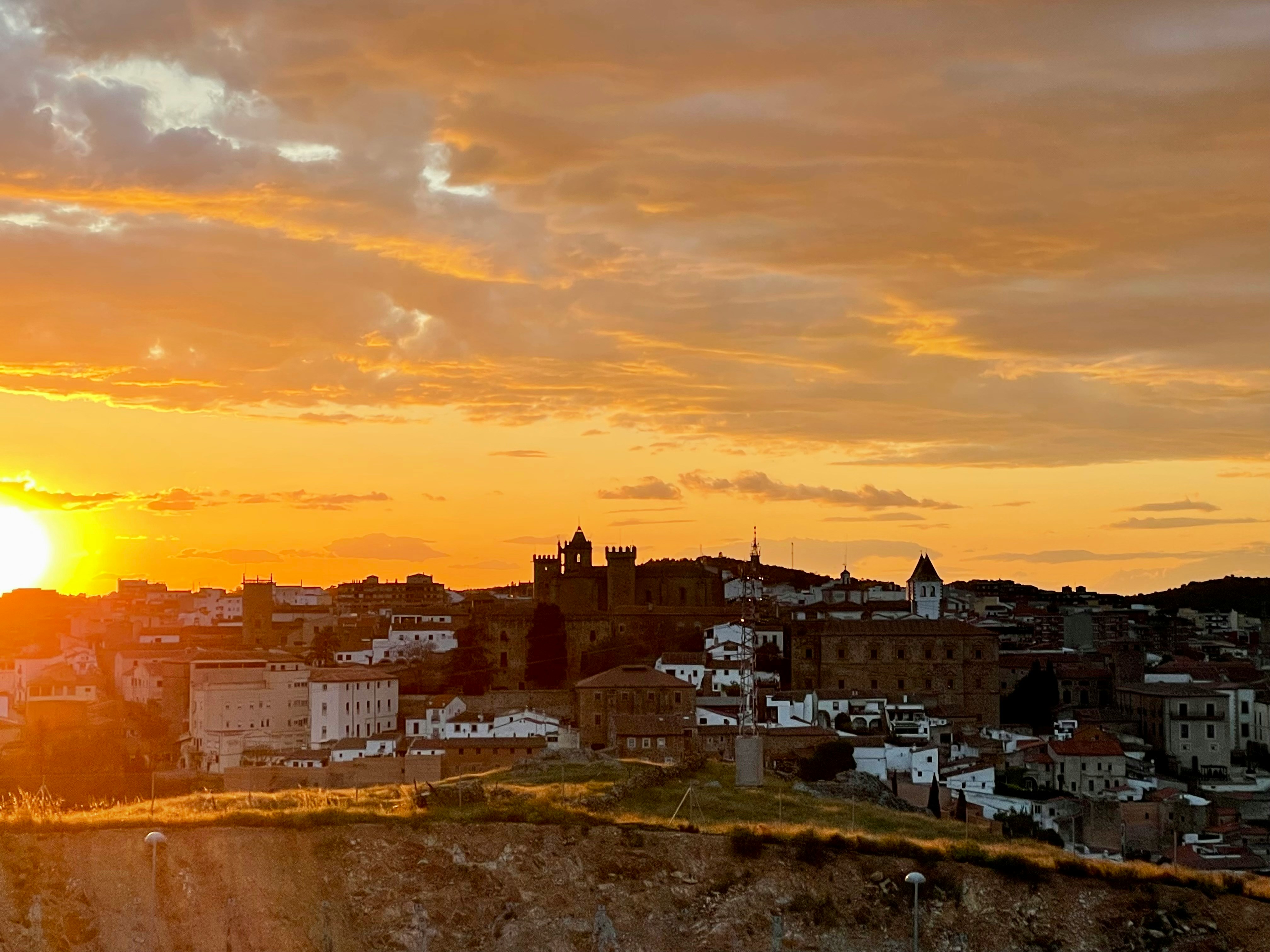
What makes it special:
- Monfragüe National Park, home to over 280 bird species including some of Europe's largest colonies of griffon and black vultures
- Trujillo and Cáceres, two walled medieval towns with almost none of the crowds of better-known Spanish heritage sites
- A genuinely quiet interior, roughly two hours from Madrid, that most international visitors skip entirely
Tips from The Dutch Guests:
- Spring is the best season for birdwatching, when forest and dehesa (oak grassland) species are most active
- Base yourself in Trujillo, well-placed for both Monfragüe and Cáceres
- Bring binoculars; several marked hides in the park are built for exactly this
FAQ
What does "off the beaten path" mean for Dutch travellers planning a European trip? It typically means a destination with authentic local character, small-scale accommodations, and a clear reason to visit (a landscape, activity or culture) rather than a resort built primarily for tourism.
Which of these destinations is best for a family autumn holiday? Istria's hill towns and the Pelion Peninsula both suit families well in autumn: mild weather, short travel distances between villages, and activities (truffle-hunting, forest walks) that work for all ages.
Do you run a small-scale property in one of these regions? The Dutch Guests connects accommodations like yours directly with the Dutch travel organisations already looking for exactly this kind of destination. See your matches free at thedutchguests.nl →